You Have 847 Followers and Zero People to Call
Let's get uncomfortable for a second.
You posted a photo last week. Forty-three likes in the first hour. A few fire emojis from people you haven't spoken to since high school. Your best friend didn't comment, but a brand account for a protein powder did. You checked your notifications seven times before noon. By the end of the day, the dopamine had fully cleared your system and you were lying on your couch feeling, somehow, emptier than before you posted.
Welcome to the invisible depression nobody's putting in their caption.
The Feed Was Never Built for Friendship
Here's the thing about social media that the Silicon Valley origin story conveniently glosses over: these platforms were not engineered to make you feel connected. They were engineered to keep you on the platform. There's a difference, and it's a brutal one.
The algorithm doesn't reward genuine human exchange. It rewards engagement — which is a corporate euphemism for emotional reaction. Outrage keeps you scrolling. Envy keeps you scrolling. Even inspiration, that feel-good hit you get from a stranger's glow-up post, keeps you scrolling. The feed is essentially a slot machine that occasionally pays out in serotonin, and like any good slot machine, it's calibrated to keep you pulling the lever way past the point of reason.
What this creates, psychologically, is a generation fluent in the performance of connection while being functionally starved of the real thing. You know how to respond to a Story with the right GIF. You know exactly when to drop a supportive comment so it reads as genuine rather than performative. You've mastered the social language of digital closeness. And yet — Sunday afternoon, nothing to do, nobody texting first — the silence is deafening.
Doom-Scrolling Is Just Loneliness in Motion
Psychologists have a term for what happens when you pick up your phone not because you want to see anything specific but because the alternative — sitting with your own thoughts — feels unbearable. They call it avoidance behavior. The rest of us call it a Tuesday night.
Doom-scrolling isn't really about the content. You're not genuinely invested in a stranger's vacation photos or a hot take thread about a show you don't even watch. What you're doing is filling space. The scroll is a pacifier for the specific, gnawing discomfort of feeling alone in a world that keeps insisting you're more connected than any generation in history.
And that contradiction — being told you're connected while feeling profoundly isolated — is exactly where the depression hides. It's not the loud, obvious kind of depression that announces itself. It's quieter. It's the low-grade numbness that settles in around 9 PM. It's the weird grief of closing an app and feeling worse than before you opened it. It's the creeping suspicion that everyone else's life is more textured and alive than yours, even though you know, intellectually, that Instagram is a highlight reel.
Knowing something intellectually and believing it emotionally are two completely different things. The algorithm banks on that gap.
The Vulnerability Post Is Its Own Kind of Wall
Somewhere in the mid-2010s, "being real on the internet" became its own aesthetic. The no-makeup selfie. The candid caption about anxiety. The carousel post where slide one is polished and slide seven is a tearful admission about burnout. Vulnerability went viral, and that should have been a good thing — destigmatizing mental health, making people feel less alone.
Except here's the twist: performative vulnerability isn't the same as actual intimacy. When you craft a post about your struggles, you're still crafting it. You're still choosing the photo, editing the lighting, reading it back three times before you hit share. You're still waiting for the comments to roll in, and those comments — "sending love," "you're so brave," "DM me" (nobody ever actually DMs) — function as validation, not connection.
Real intimacy is awkward and unscripted. It happens in phone calls that run too long and conversations that veer somewhere unexpected. It's the friend who notices you seem off before you post about it. The vulnerability post, however sincere the intention, is still a broadcast. And you can't build a genuine relationship with an audience.
The dirty secret is that a lot of people are using these posts as a pressure valve — releasing just enough emotional weight publicly to avoid having to actually talk to someone about it privately. It feels like reaching out. It has the shape of reaching out. But it's reaching out into a void and calling the echo a conversation.
Why Nobody's Admitting It
Loneliness carries a stigma that depression and anxiety, at this point, largely don't. There's a social script now for talking about your mental health — therapy is cool, burnout is relatable, anxiety is practically a personality trait. But admitting you're lonely? That still reads as a personal failure. Like somewhere along the way you didn't build your life correctly.
So people don't say it. They post more instead. They optimize their grid. They chase the metric that tells them they matter — follower count, story views, the little green dot that means someone, somewhere, is online at the same time you are. They build a curated life that looks, from the outside, like a person who has it together, who is surrounded by experiences and moments and community.
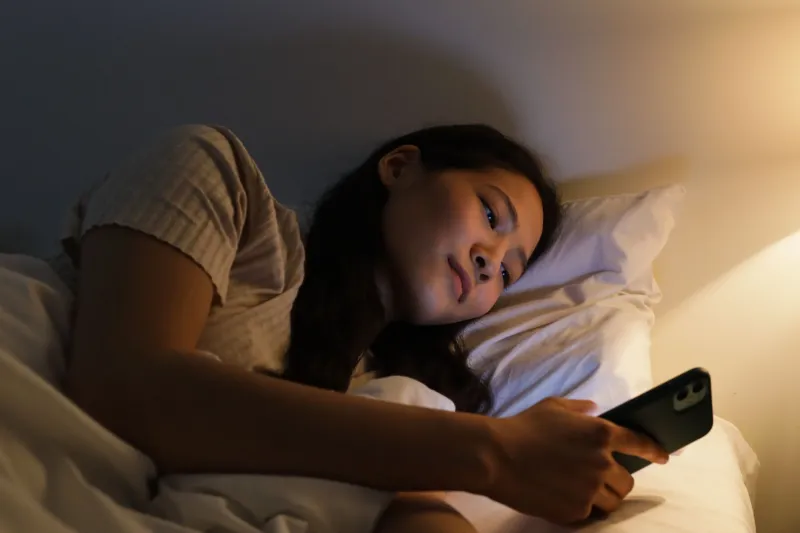
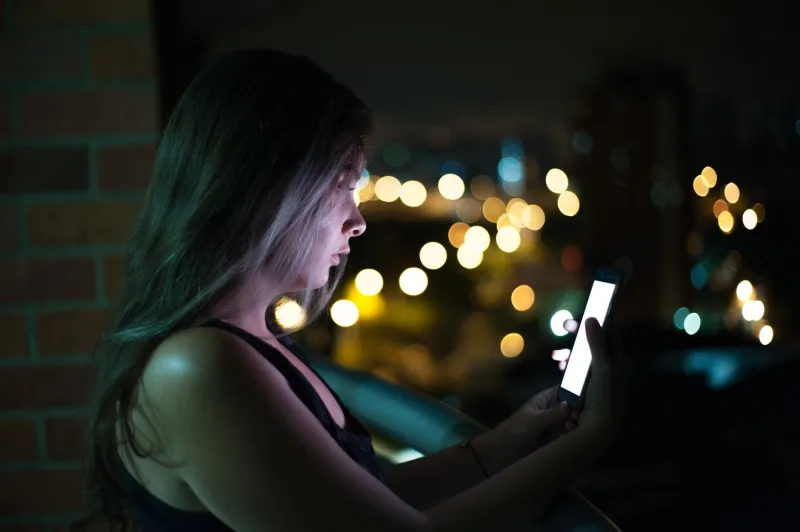
And then they lie in bed at 1 AM, phone in hand, scrolling through the lives of people they barely know, feeling a loneliness so specific and so strange that they don't even have clean language for it yet.
Breaking the Loop (Without Deleting Everything)
Nobody's here to tell you to log off forever. That's not realistic and honestly, it's not even the point. The platforms aren't going anywhere, and neither is the culture built around them.
But there's a difference between using social media and being used by it. The shift starts with getting honest about what you're actually looking for when you open the app. Are you bored? Are you avoiding something? Are you looking for a specific kind of reassurance that a stranger's like was never going to give you anyway?
The researchers who study this stuff consistently find one thing that actually moves the needle on loneliness: initiated contact. Not passive consumption. Not posting and waiting. Actually reaching out — a text, a call, making plans and keeping them. It's embarrassingly low-tech. It's also the only thing that works.
The algorithm will always be better at keeping your attention than it is at making you feel whole. That's a feature, not a bug. The whole architecture is designed to make the next scroll feel more promising than the last one, to keep you in a state of almost-satisfied, perpetually reaching.
You can't out-scroll loneliness. But you could text someone right now.
Just a thought.